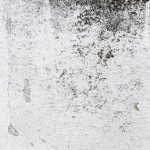



Mold in a Florida condo can quickly become more than a maintenance problem. A leak may begin inside one unit, travel through a shared wall, damage the unit below, and affect common building components. When that happens, determining who is responsible-the condo owner, condominium association, landlord, tenant, or another unit owner-can be complicated.
The short answer is that responsibility usually depends on:
- Where the moisture originated
- Whether the affected area is part of the unit or a common element
- What the condominium declaration says
- Whether the condo is owner-occupied or rented
- Whether negligence contributed to the damage
- What the applicable insurance policies cover
Florida condo owners, landlords, and tenants should act quickly when mold or water damage is discovered. Waiting for the parties to decide who will pay can allow moisture to spread and turn a manageable problem into a much larger remediation project.
Why Mold Is Common in Florida Condos
Florida’s heat and humidity create favorable conditions for mold growth. Condominiums may face additional risks because multiple units share walls, ceilings, plumbing lines, air-handling systems, roofs, and other building components.
Common sources of moisture in Florida condos include:
- Roof and window leaks
- Plumbing leaks inside walls
- Leaking water heaters or appliances
- Air-conditioning condensation
- Clogged HVAC drain lines
- Flooding and hurricane damage
- Balcony and exterior-wall leaks
- High indoor humidity
- Water escaping from an upstairs or neighboring unit
Because water does not remain within legal property boundaries, a leak from one location can create mold in several units.
The Most Important Question: Where Did the Moisture Come From?
Mold is usually a symptom of an unresolved moisture problem. Before determining who may be financially responsible, the parties need to identify the source of that moisture.
For example:
- Mold caused by a leaking common roof may involve the condominium association.
- Mold caused by an owner’s overflowing bathtub may involve that unit owner.
- Mold caused by a malfunctioning appliance inside a rented unit may involve the landlord, tenant, or both, depending on ownership, maintenance obligations, and negligence.
- Mold caused by a shared plumbing riser may fall within the association’s maintenance responsibilities.
- Mold inside cabinets, flooring, or personal property may fall under the unit owner’s insurance even when the original leak came from a common element.
A professional mold inspection can help document moisture conditions, affected materials, and the probable source of the problem.
When Is the Condominium Association Responsible?
People often use the term “HOA” for any community association. In a Florida condominium, however, the legally relevant organization is generally the condominium association.
Under Florida Statute 718.113, maintenance of common elements is generally the association’s responsibility. However, the condominium declaration may assign certain limited common-element maintenance responsibilities to individual unit owners.
The association may be responsible when moisture originates from components such as:
- The building’s roof
- Exterior walls
- Structural components
- Common plumbing lines or risers
- Shared mechanical systems
- Common hallways or utility rooms
- Other components classified as common elements
If a common element is leaking, the association may need to locate and repair the source, dry the affected building materials, and coordinate access to individual units.
Florida law also generally gives a condominium association access to a unit during reasonable hours when access is necessary to maintain or repair common elements, perform association-required maintenance, or prevent damage to other units or common property.
However, association responsibility for fixing the leak does not automatically mean the association must pay for every damaged item inside the unit. Responsibility for flooring, cabinets, wall coverings, furniture, personal property, mold remediation, and reconstruction may be divided among the association, unit owner, and their insurers.
When Is the Condo Owner Responsible?
A unit owner is commonly responsible for maintaining components located within the boundaries of the unit, subject to the condominium declaration.
These may include:
- Appliances serving only the unit
- Interior fixtures
- Built-in cabinets and countertops
- Floor, wall, and ceiling coverings
- Personal belongings
- Owner-installed improvements
- Plumbing fixtures or lines serving only the unit
- Air-conditioning equipment dedicated to the unit
An owner may also be responsible when mold develops because the owner failed to repair a known leak, control excessive humidity, maintain an appliance, or report water damage promptly.
For example, if a unit owner ignores a leaking water heater and the water damages neighboring units, the owner may be responsible for some of the resulting costs. The outcome will depend on the declaration, insurance policies, facts of the loss, and whether negligence can be established.
Owners should carry an appropriate HO-6 condo insurance policy and understand what it covers. Association insurance and unit-owner insurance are not interchangeable.
When Is a Landlord Responsible?
When a Florida condo is rented, the unit owner is also the landlord. The landlord’s obligations to the tenant are separate from the association’s obligations to the owner.
Under Florida Statute 83.51, landlords must comply with applicable building, housing, and health codes. Where such codes do not apply, the statute establishes certain maintenance obligations for structural components and plumbing.
A landlord may need to respond when mold is connected to:
- A plumbing or appliance leak the landlord is required to repair
- A defective air-conditioning system
- Water intrusion affecting habitability
- A condition reported by the tenant that was not addressed within a reasonable time
- Damage involving components controlled by the landlord
Even when the moisture source is a common element, the landlord should not simply tell the tenant to contact the association. The landlord typically needs to communicate with property management, provide access, document the complaint, and coordinate the response concerning the rented unit.
The landlord may then pursue reimbursement or insurance coverage from the association, another owner, or an insurer when appropriate.
Can the Tenant Be Responsible?
Tenants are generally expected to use the property reasonably, report leaks promptly, and avoid causing damage.
A tenant may share responsibility if mold or water damage results from actions such as:
- Allowing a bathtub or sink to overflow
- Disconnecting an HVAC drain line
- Failing to report a visible leak
- Turning off air conditioning for an extended period during humid weather
- Blocking ventilation
- Damaging plumbing fixtures
- Preventing reasonable access for repairs
Florida law states that a landlord is not responsible under Section 83.51 for conditions caused by the negligent or wrongful act or omission of a tenant, the tenant’s family, or another person on the property with the tenant’s consent.
Tenants should report mold, moisture, or musty odors to the landlord or property manager in writing and keep copies of photographs, emails, maintenance requests, and other records.
Tenants should not automatically stop paying rent or terminate a lease without obtaining legal advice and following the procedures required by Florida law.
What If the Mold Came from Another Condo?
Water damage in one unit is often caused by a leak in the unit above or next door. Examples include overflowing fixtures, leaking washing machines, failed water heaters, and damaged supply lines.
In these situations, several parties may become involved:
- The affected owner reports the damage to the association and insurer.
- The association determines whether the failed component is part of a unit or common property.
- A professional documents the source and extent of the moisture.
- Emergency drying begins to prevent additional damage.
- Insurers investigate coverage and possible negligence.
- The responsible parties coordinate remediation and reconstruction.
The fact that water came from another unit does not automatically establish that the neighboring owner must pay every expense. Liability may depend on who owned or maintained the failed component and whether the owner knew—or reasonably should have known—about the problem.
Repairing the Leak and Removing Mold Are Separate Issues
A common mistake is treating the project as one job with one responsible party. In reality, a Florida condo mold loss may involve several separate tasks:
- Stopping the water source
- Extracting standing water
- Drying structural materials
- Conducting a mold assessment
- Removing contaminated materials
- Performing post-remediation verification
- Reconstructing walls, flooring, or cabinets
- Replacing personal property
Different parties or insurance policies may be responsible for different stages.
For example, the association may repair a shared pipe, the owner’s HO-6 policy may cover damaged flooring, and a neighboring owner’s liability coverage may become involved if negligence caused the loss.
Does Insurance Cover Mold in a Florida Condo?
Mold coverage depends on the cause of the damage and the wording of each policy.
Potentially relevant policies include:
- The condominium association’s master policy
- The unit owner’s HO-6 policy
- A landlord insurance policy
- The tenant’s renters insurance
- Liability coverage belonging to another unit owner
Some policies provide limited mold coverage when mold results from a covered sudden event, such as an accidental pipe break. Coverage may be restricted or excluded when the damage results from long-term leakage, poor maintenance, flooding, or repeated moisture problems.
Report water and mold damage promptly. Delayed reporting can complicate an insurance claim and allow the damage to spread. Learn more in our guide on how to file an insurance claim for mold damage.
What Should You Do After Discovering Mold in a Condo?
Whether you are an owner, landlord, or tenant, take the following steps:
1. Document the condition
Photograph and record visible mold, stains, damaged materials, active leaks, and affected belongings.
2. Report it in writing
Notify the condo association or property manager. If the unit is rented, the tenant should also notify the landlord.
3. Stop active water when possible
If it is safe to do so, shut off the affected fixture or water supply. Contact emergency services when the source involves shared plumbing, flooding, sewage, or electrical hazards.
4. Avoid disturbing mold
Do not cut into moldy drywall or use fans that may spread spores throughout the unit.
5. Arrange a professional assessment
A qualified professional can use moisture meters, thermal imaging, air sampling, or surface sampling when appropriate. Read about the difference between mold inspection and mold testing.
6. Review the condo documents
Check the declaration, bylaws, rules, maintenance provisions, and insurance responsibilities. These documents can be critical when deciding who must repair specific components.
7. Contact the appropriate insurers
The association, unit owner, landlord, tenant, and neighboring owner may each need to notify their respective insurance carriers.
8. Begin drying and remediation quickly
Responsibility can be resolved later, but moisture should be addressed immediately. Allowing wet materials to remain in place can increase both the damage and the cost.
Should the Same Company Test and Remove the Mold?
Florida regulates mold assessment and remediation. In many situations, a mold assessor or the assessor’s company may not perform remediation on a structure it assessed within the previous 12 months. Similar restrictions apply to a remediator performing assessment work after remediation, subject to statutory exceptions.
These separation rules are designed to reduce conflicts of interest. Owners and associations should confirm licensing and understand whether an exception applies before signing a contract.
After remediation, independent air-quality testing or post-remediation verification may be appropriate to determine whether the project met the established remediation criteria.
Quick Responsibility Guide
| Situation | Party that may be responsible |
|---|---|
| Leak from common roof or exterior wall | Condominium association |
| Failed common plumbing riser | Condominium association |
| Leak from an owner’s appliance | Unit owner and/or owner’s insurer |
| Damage to flooring, cabinets, or personal property | Unit owner and/or HO-6 insurer |
| Mold in a rented unit caused by unrepaired plumbing | Landlord, depending on the facts |
| Damage caused by tenant negligence | Tenant and/or renters liability insurer |
| Leak from an upstairs unit | Upstairs owner, association, or insurers, depending on the source and negligence |
| Limited common element | Association or owner, as assigned by the declaration |
This table provides general examples only. The condominium documents and facts of the loss should always be reviewed.
Frequently Asked Questions
Is the HOA always responsible for mold inside a Florida condo?
No. The association may be responsible for common elements and association-maintained property, but mold inside a unit may involve the owner, landlord, tenant, neighboring owner, or multiple insurers.
Who pays when mold is caused by a roof leak?
The association will generally be responsible for maintaining a common roof. However, responsibility for interior finishes, personal property, deductibles, mold remediation, and reconstruction may depend on the declaration and insurance policies.
What if the condo association refuses to investigate?
Send written notice describing the condition, include photographs, request an inspection, and preserve all correspondence. Consider contacting your insurer, a qualified mold professional, and a Florida condominium attorney.
Can a condo owner remove mold without telling the association?
Owners should notify the association before opening walls or performing work that may affect common elements. The association may need access, documentation, contractor information, or approval under the condominium documents.
Is mold testing always necessary?
Not every situation requires air or surface sampling. A professional assessment may be sufficient when the source and visible damage are clear. Testing can be useful when mold is suspected but not visible, documentation is needed, or post-remediation verification is required.
Can a tenant withhold rent because of mold?
Tenants should not withhold rent automatically. Florida has specific notice and procedural requirements. A tenant facing a serious mold condition should document the issue and consult a qualified Florida landlord-tenant attorney before taking legal action.
Get Professional Mold Help in Southwest Florida
A mold problem in a Florida condo can involve multiple units, shared building systems, insurance policies, and maintenance obligations. The sooner the moisture source and affected areas are documented, the easier it becomes to develop an appropriate remediation plan.
QCI provides professional mold, water-damage, and indoor-air-quality services for condos throughout Southwest Florida, including:
- Naples
- Marco Island
- Bonita Springs
- Estero
- Fort Myers
- Cape Coral
- Collier County
- Lee County
Our services include:
- Mold inspections
- Moisture detection and thermal imaging
- Mold remediation
- Water extraction and structural drying
- Indoor air-quality testing
- Post-remediation services
- Documentation for insurance and legal matters
If you discover mold or water damage in your condo, contact QCI at (239) 777-2875 or visit qci-online.com to schedule an inspection.
Do not wait for the association, owner, landlord, and insurance companies to resolve responsibility before addressing active moisture. Fast documentation and professional intervention can help limit damage and protect the entire building.
This article provides general information and is not legal advice. Responsibility for mold and water damage depends on the facts, condominium documents, lease terms, insurance policies, and applicable Florida law. Consult a qualified Florida attorney for advice regarding a specific dispute.