

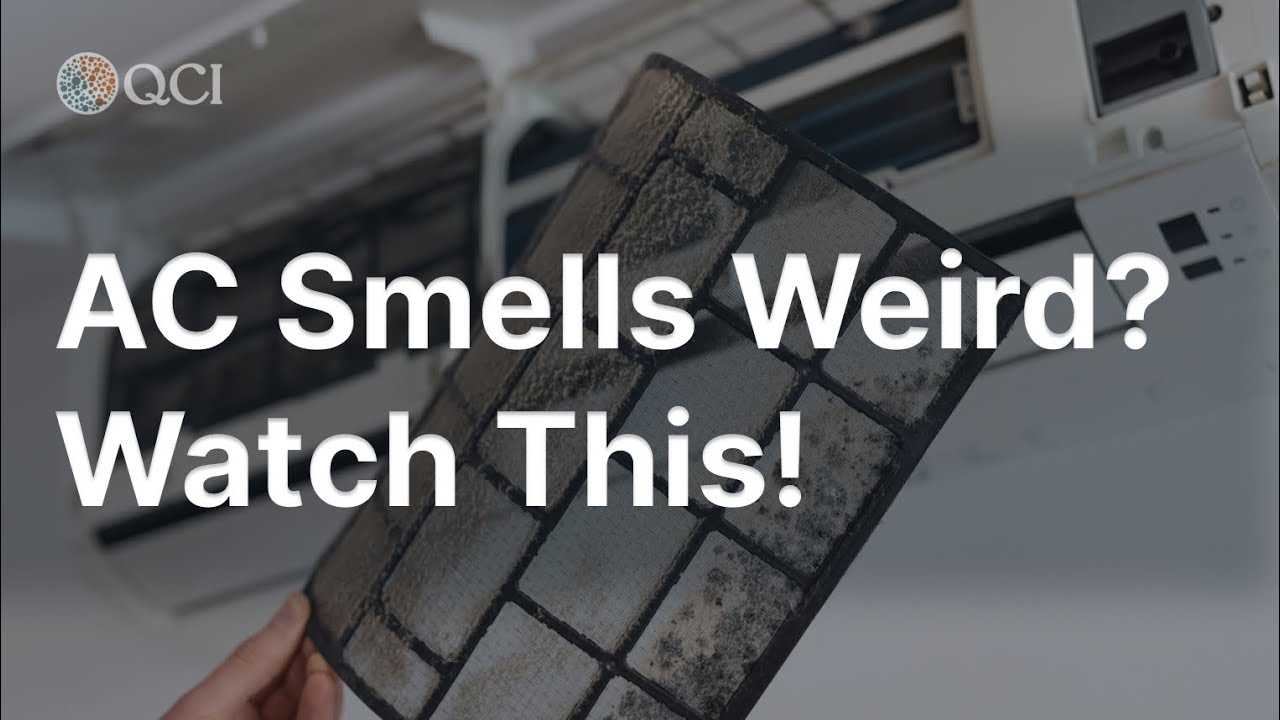

If your air conditioner smells musty or funky, it’s not just unpleasant — it could be a warning sign of mold spreading through your home.
In Florida’s humid climate, air conditioning systems work overtime. When moisture from condensation combines with dust inside your AC unit, filters, or ductwork, it creates the perfect environment for mold growth.
Why a Musty AC Smell Is a Serious Issue
A strange smell coming from your AC isn’t just “dirty air.”
It often means mold is building up inside the system — and every time you turn it on, mold spores may be circulating throughout your entire home.
This can lead to:
- Poor indoor air quality
- Allergy flare-ups
- Respiratory issues
- Increased risk for children, seniors, and anyone with asthma
Breathing in mold spores daily is not good for your lungs — or your family’s health.
How Mold Gets Into Your AC System
Florida’s high humidity creates ideal conditions for mold growth inside air conditioning systems. Common problem areas include:
- Air ducts
- AC filters
- Evaporator coils
- Drain pans and internal components
Once mold starts growing, it doesn’t stay contained. Each cooling cycle can spread spores room to room without you even noticing.
Signs Your AC May Have Mold
You may need a professional AC mold inspection if you notice:
- Persistent musty or mildew-like odors
- Increased allergy symptoms indoors
- Excess moisture around vents
- Reduced airflow or efficiency
Ignoring these signs can allow the problem to worsen over time.
Get a Professional AC Mold Check
If you suspect mold in your AC system, a professional inspection is the safest way to protect your home and health.
QCI provides full AC mold checks to identify contamination and recommend the right solution before it becomes a larger issue.
📞 Call: (239) 777-2875
🌐 Visit: qci-online.com
Don’t let your air conditioner circulate mold through your home.
Breathe cleaner, healthier air with a professional AC mold inspection.