


Most residential mold remediation projects take approximately one to five days. Small, contained problems may be completed in one or two days, while extensive contamination, hidden moisture, HVAC involvement, or damaged building materials can extend the project to a week or longer.
The complete timeline may also include mold inspection, laboratory analysis, structural drying, post-remediation verification, and reconstruction. Because every property is different, the most reliable timeframe comes from a professional inspection and written remediation plan.
For homeowners and businesses in Naples, Marco Island, Bonita Springs, Estero, and surrounding Southwest Florida communities, addressing mold quickly is particularly important. Florida’s high humidity can make it difficult for wet materials to dry without proper equipment and moisture control.
How Long Does Mold Remediation Usually Take?
Here is a general timeline based on the size and complexity of the affected area:
| Project scope | Estimated remediation time |
|---|---|
| Small, isolated area | 1–2 days |
| One room or moderate contamination | 3–5 days |
| Multiple rooms or hidden mold | 5–7 days |
| Extensive contamination or structural damage | 1–2 weeks or longer |
These estimates refer primarily to the remediation work. Laboratory testing, drying, clearance verification, and reconstruction may add time to the overall project.
If mold resulted from an active leak, storm, or flood, the moisture source must be corrected before remediation can be considered complete. QCI provides both professional mold removal and emergency water removal for properties affected by water and mold damage.
What Happens During Mold Remediation?
Understanding each stage can help property owners know why some projects take longer than others.
1. Inspection and Moisture Assessment
The first step is determining where mold and excess moisture are present.
A professional assessment may include:
- Visual inspection of accessible areas
- Moisture readings in walls, ceilings, and floors
- Infrared imaging to help locate potential moisture
- Evaluation of previous leaks or water damage
- Air or surface sampling when appropriate
- Identification of affected building materials
The inspection itself may take several hours, depending on the size of the property. If samples are submitted to a laboratory, results may require additional time.
Learn more about QCI’s mold inspections and air quality testing.
2. Creating the Remediation Plan
After the assessment, the remediation team determines:
- Which areas need containment
- Which materials can be cleaned
- Which porous materials may require removal
- What equipment will be needed
- How the moisture source will be addressed
- Whether post-remediation verification is recommended
A defined scope of work helps prevent unnecessary delays once remediation begins.
3. Containing the Affected Area
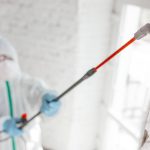
Containment helps reduce the movement of dust and mold spores from the work area into unaffected rooms.
Depending on the project, the team may use physical barriers, controlled access, negative air pressure, and air-filtration equipment. Setting up containment may take a few hours, but larger or more complex properties can require additional preparation.
Occupants should follow the contractor’s instructions about entering the contained area during the project.
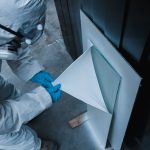
4. Removing Contaminated Materials
The removal stage usually has the greatest effect on the project timeline.
Porous materials that cannot be adequately cleaned may need to be removed. These can include:
- Drywall
- Insulation
- Carpet and padding
- Ceiling tiles
- Damaged cabinetry
- Severely affected wood products
Mold on accessible, cleanable surfaces may be treated using professional cleaning, HEPA vacuuming, and other remediation methods appropriate for the material.
A small area of affected drywall may be handled relatively quickly. Mold extending behind cabinets, beneath flooring, above ceilings, or across multiple rooms will require more time.
5. Cleaning and Air Filtration
After contaminated materials are removed, the work area and remaining surfaces are thoroughly cleaned. Air-filtration equipment may continue operating during this stage to capture airborne particles generated by the work.
QCI uses an environmentally conscious approach to mold remediation in Southwest Florida, with methods selected according to the property and scope of contamination.
The equipment run time depends on the volume of the affected space, site conditions, moisture levels, and the remediation plan.
6. Drying and Moisture Control
Mold remediation cannot provide a lasting result if the moisture problem remains.
Drying may take additional time when:
- Drywall or wood framing is wet
- Water has entered several rooms
- Indoor humidity remains high
- A roof or plumbing leak has not been repaired
- Water is trapped beneath flooring
- The HVAC system is contributing to condensation
Professional dehumidifiers, air movers, and moisture monitoring may be required. Materials should be adequately dry before repairs or reconstruction begin.
7. Post-Remediation Verification
After remediation, a visual assessment and, when appropriate, independent clearance testing may be performed to determine whether the remediation scope has been completed successfully.
Verification may include:
- Examining the remediated area
- Confirming that affected materials were removed or cleaned
- Checking moisture levels
- Collecting air or surface samples when required
- Reviewing the work against the remediation plan
If samples are sent to a laboratory, results can add one or more days to the schedule. Clearance testing should generally be completed before containment is removed or reconstruction begins when the project protocol requires it.
8. Reconstruction
Remediation and reconstruction are not always the same phase.
After the affected area has been remediated and cleared, removed materials may need to be replaced. Reconstruction can include new drywall, insulation, flooring, paint, baseboards, or cabinetry.
Therefore, the mold remediation itself might take three days while the complete restoration of the room takes longer.
What Can Make Mold Remediation Take Longer?
Several conditions can extend the remediation timeline.
The Size of the Affected Area
A small, isolated area usually requires less containment, equipment, demolition, and cleaning. Multiple affected rooms require a larger work area and more detailed coordination.
Hidden Mold
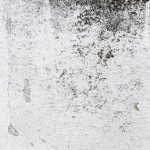
Mold behind drywall, beneath flooring, inside cabinets, or above ceilings may not be fully visible during the initial walkthrough. Additional contamination discovered after materials are opened can change the scope and schedule.
If you are unsure whether mold is present, review these signs that your home may need a mold inspection.
Ongoing Water Intrusion
A roof leak, plumbing failure, HVAC condensation problem, or exterior water intrusion must be stopped. Continuing remediation while materials are still getting wet can lead to delays and recurring mold growth.
Wet Building Materials
Mold removal and structural drying may need to happen as coordinated but separate operations. Saturated framing, flooring, or wall assemblies can take several days to reach appropriate moisture levels.
Difficult Access
Crawl spaces, attics, HVAC components, high ceilings, and areas behind built-in cabinets take longer to reach and may require specialized containment or equipment.
Contents Inside the Work Area
Furniture, boxes, clothing, and other belongings may need to be inspected, cleaned, moved, or protected before structural remediation begins.
Clearance Testing
When post-remediation testing is included, the project schedule must allow time for sample collection and laboratory results.
Can You Stay Home During Mold Remediation?
It depends on the location and extent of the work, the layout of the property, and the health needs of the occupants.
You may be able to remain in the home when the affected area is small, properly contained, and separated from occupied rooms. Temporary relocation may be recommended when:
- Several rooms are affected
- The HVAC system is involved
- Kitchens or bathrooms cannot be used
- Extensive demolition is required
- Young children, older adults, or sensitive occupants are present
- The remediation plan restricts access to significant portions of the home
Ask the remediation contractor what areas must remain unoccupied and how long containment and equipment will stay in place.
How Can You Help Prevent Delays?
Property owners can help keep the project moving by:
- Repairing active leaks promptly
- Providing access to all affected areas
- Moving valuables when instructed
- Approving the remediation scope before work begins
- Avoiding entry into contained areas
- Coordinating testing and reconstruction in advance
- Following humidity and ventilation recommendations
Do not paint over, disturb, or attempt to remove extensive mold before the inspection. Disturbing affected materials can spread contamination and make it harder to determine the original extent of the problem.
How to Prevent Mold After Remediation
The most important preventive step is controlling moisture.
After remediation:
- Repair plumbing, roof, and window leaks
- Keep indoor relative humidity controlled
- Use bathroom and kitchen exhaust fans
- Maintain the HVAC system
- Address condensation around ducts and vents
- Dry water-damaged areas promptly
- Inspect areas previously affected by mold
- Watch for staining, odors, or recurring dampness
For additional guidance, read Can Mold Come Back After Remediation?.
Frequently Asked Questions
Can mold remediation be completed in one day?
A small and accessible mold problem may sometimes be remediated in one day. However, containment, drying, testing, or removal of damaged materials can extend the project. A one-day promise should not be made before the property and moisture conditions are evaluated.
How long does mold remediation take in one room?
A typical one-room project may take approximately two to five days. The timeline depends on the amount of affected material, whether the moisture source has been repaired, and whether clearance testing is required.
How long does mold remediation take after water damage?
The remediation work may take several days, but structural drying can add more time. The area must be adequately dry, and the source of water intrusion must be corrected to reduce the likelihood of recurrence.
How long should air scrubbers run during mold remediation?
The required operating time depends on the size of the contained area, the equipment used, and the remediation plan. The contractor should determine equipment placement and run time based on conditions at the property.
When can reconstruction begin?
Reconstruction can usually begin after remediation is completed, moisture levels are acceptable, and any required post-remediation verification has been passed.
Does black mold take longer to remediate?
The color or species alone does not determine the timeline. Project duration is affected more directly by the size of the affected area, the materials involved, accessibility, moisture conditions, and the required containment.
Schedule a Mold Inspection in Southwest Florida
The best way to determine how long mold remediation will take is to inspect the property, locate the moisture source, and define the complete scope of work.
QCI serves Naples, Marco Island, Bonita Springs, Estero, and surrounding communities in Collier and Lee Counties. Our services include mold inspection, air quality testing, mold remediation, moisture investigation, and emergency water removal.
Call (239) 777-2875 or contact QCI online to schedule an assessment.
The sooner the source of moisture and the extent of contamination are identified, the sooner an accurate remediation timeline can be established.