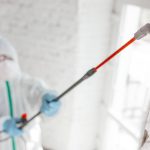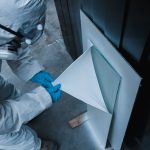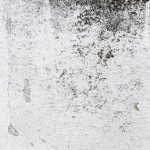



A mold inspection evaluates a property for visible mold, moisture problems, water damage, and conditions that could support mold growth. Mold testing involves collecting air, surface, or material samples and sending them to a laboratory for analysis.
The two services are related, but they are not the same-and mold testing is not automatically necessary in every situation.
In most cases, the process begins with a professional mold inspection. After evaluating the property, the assessor can determine whether sampling would provide useful information and recommend the appropriate locations and types of samples.
Understanding the difference can help homeowners, buyers, sellers, landlords, and property managers in Naples and Southwest Florida choose the right service without paying for unnecessary testing.
Mold Inspection vs. Mold Testing at a Glance
| Mold inspection | Mold testing |
|---|---|
| Evaluates the entire property or areas of concern | Collects samples from selected locations |
| Looks for visible mold and moisture damage | Analyzes fungal particles or suspected growth |
| May use moisture meters and thermal imaging | May include air, surface, or material samples |
| Helps locate the source and extent of the problem | Provides laboratory data about collected samples |
| Usually comes before testing | Should be based on inspection findings |
| Does not always require laboratory analysis | Requires professional interpretation of results |
A comprehensive assessment may include both services, but the inspection determines whether testing is appropriate and where samples should be collected.
What Is a Mold Inspection?
A mold inspection is a systematic evaluation of a home or commercial property for mold growth, excess moisture, and previous or active water intrusion.
The goal is not simply to find visible mold. The assessor also investigates the conditions allowing mold to grow.
A professional inspection may include:
- Reviewing the property’s water-damage history
- Discussing odors and areas of concern
- Visually inspecting accessible rooms
- Checking walls, ceilings, flooring, and cabinets
- Examining plumbing and HVAC areas
- Measuring indoor humidity
- Using moisture meters on building materials
- Scanning suspicious areas with an infrared camera
- Identifying locations where further investigation may be necessary
- Recommending appropriate testing or remediation
An inspection can help determine where the problem started, how far it may have spread, and what should happen next.
QCI provides mold inspections and air quality testing for residential and commercial properties throughout Southwest Florida.
What Is Mold Testing?
Mold testing-also called mold sampling-involves collecting samples from the property for laboratory analysis.
Depending on the purpose of the assessment, testing may help determine:
- Whether suspected surface growth is fungal
- What types of mold were present in the collected sample
- Whether airborne fungal particles were detected
- How indoor samples compare with outdoor conditions
- Whether additional investigation may be appropriate
- Whether a remediated area meets the project’s verification criteria
Testing only represents the conditions and locations sampled at a particular time. It cannot guarantee that mold is absent from every part of the property.
Results should be evaluated together with the visual inspection, moisture measurements, property history, outdoor comparison samples, and current building conditions.
Types of Mold Testing
A qualified assessor selects the sampling method based on the questions the inspection needs to answer.
Air Sampling
Air sampling collects airborne particles from specific areas of a property. An outdoor control sample may also be collected for comparison.
Air samples can provide information about fungal particles present in the air at the time of sampling. However, results may change depending on weather, ventilation, HVAC operation, occupant activity, and other conditions.
A single air sample does not provide a complete picture of an entire building. Sample locations and interpretation matter.
Surface Sampling
Surface samples may be collected from visible or suspected growth using a swab, tape lift, or another appropriate method.
These samples can help determine whether a stain or discoloration contains fungal growth. Surface sampling may also be used as part of post-remediation verification when required by the assessment protocol.
Bulk Sampling
Bulk sampling involves submitting a small piece of building material, such as drywall, carpet, insulation, or another affected material, for laboratory analysis.
This method is less commonly needed in routine residential assessments but may be useful in specific investigations.
Does Every Mold Inspection Require Testing?
No. Testing is not necessary in every case.
According to the U.S. Environmental Protection Agency, sampling is generally unnecessary when visible mold growth is already present. In that situation, the priorities are identifying the extent of the growth, correcting the moisture source, and completing appropriate cleanup or remediation.
Testing should have a defined purpose. Before collecting samples, ask:
- What question will the test answer?
- Will the results change the recommended action?
- Are the correct areas being sampled?
- Will an outdoor comparison sample be collected?
- Who will interpret the laboratory report?
Testing without an inspection or sampling plan can produce information that is incomplete, confusing, or difficult to use.
When Is a Mold Inspection Recommended?
A mold inspection is usually the appropriate first step when:
- You smell a persistent musty odor
- You see mold or unexplained discoloration
- Your property experienced a roof or plumbing leak
- Your home was affected by flooding or wind-driven rain
- Drywall, baseboards, or flooring appear damaged
- Indoor humidity remains elevated
- Mold has returned after previous cleanup
- You are purchasing a property with a water-damage history
- You suspect hidden moisture behind walls or flooring
- You need to understand the scope of a potential mold problem
If you are unsure what warning signs to look for, read Top 10 Signs Your Home Needs a Professional Mold Inspection.
When Can Mold Testing Be Useful?
Mold testing may be appropriate when:
Mold Is Suspected but Not Visible
A property may have a musty odor or history of water damage even though no visible growth is accessible. Sampling, moisture measurements, and a detailed inspection may help evaluate the situation.
A Surface Cannot Be Identified Visually
Not every black, green, or brown stain is mold. A surface sample may help distinguish fungal growth from dirt, soot, staining, or another substance.
Documentation Is Required
Testing may be requested during:
- Real estate transactions
- Landlord-tenant disputes
- Insurance claims
- Construction disputes
- Legal proceedings
- Indoor air quality investigations
The sampling plan should be appropriate for its intended use, especially when results may become part of an insurance or legal matter.
Post-Remediation Verification Is Needed
After professional remediation, an independent assessment may include a visual inspection, moisture evaluation, and sampling when required by the remediation protocol.
This process is often called clearance testing or post-remediation verification.
The Results Could Change the Remediation Plan
Testing may be valuable when the findings will help define the affected area or determine the next investigative step. It should not be ordered merely to generate a laboratory report without a clear purpose.
Why Should the Inspection Come First?
An inspection helps the assessor understand the property before deciding where and how to sample.
Without an inspection, samples may be collected from the wrong locations. This can miss the area of concern or produce results that do not answer the homeowner’s actual question.
The inspector considers:
- Where water entered
- How moisture may have traveled
- Which building materials were affected
- How the HVAC system moves air
- Whether visible growth is present
- Where occupants notice odors
- Which rooms should be compared
- Whether outdoor conditions could influence the results
The findings are then used to develop a targeted sampling strategy.
Infrared imaging may help locate temperature patterns associated with moisture, but it does not detect mold directly. Learn more about how infrared cameras help detect hidden mold.
Can a Mold Test Tell You Whether Your Home Is Safe?
A mold test cannot provide a universal “safe” or “unsafe” score.
The EPA has not established federal threshold limits for airborne mold or mold spores. Mold spores are also naturally present outdoors and can enter buildings through doors, windows, clothing, and HVAC systems.
For that reason, laboratory numbers must be interpreted in context. A qualified assessor may consider:
- Types of fungal particles detected
- Indoor and outdoor sample comparisons
- Differences between rooms
- Visible mold or water damage
- Moisture readings
- The property’s history
- Sampling conditions
- Occupants’ concerns
Avoid relying on a home test kit or laboratory number without professional interpretation.
What About Black Mold Testing?
You do not need to identify mold as “black mold” before addressing visible growth and moisture damage.
Many molds can appear black or dark, and color alone does not identify the species. Regardless of the type, visible mold should be addressed and the moisture source corrected.
Testing may help identify fungal types present in a particular sample, but remediation decisions are generally influenced by the location, extent of contamination, affected materials, and moisture conditions—not color alone.
What Happens After the Inspection and Testing?
After the assessment, the property owner should receive an explanation of the findings and recommended next steps.
Recommendations may include:
- Repairing an active leak
- Drying wet building materials
- Improving ventilation or humidity control
- Conducting additional investigation
- Removing materials that cannot be adequately cleaned
- Creating a mold-remediation protocol
- Scheduling post-remediation verification
If remediation is recommended, learn more about QCI’s professional mold removal services and how long mold remediation usually takes.
For an active leak or flooding, emergency water removal may need to begin before mold remediation.
Mold Assessment and Remediation in Florida
Florida regulates mold-related services through the Department of Business and Professional Regulation.
State law generally restricts a mold assessor or assessment company from performing remediation on a structure it assessed during the previous 12 months. It similarly restricts a remediator from assessing a structure it remediated during that period. Certain statutory exceptions apply.
Before hiring a company, property owners should:
- Verify the appropriate Florida license
- Ask who will perform the assessment
- Ask who will perform any required remediation
- Request a written scope of work
- Understand what testing is included
- Confirm who will perform post-remediation verification
More information is available through the Florida DBPR Mold-Related Services FAQs.
Mold Inspection vs. Mold Testing: Which One Do You Need?
Choose a mold inspection first when you need to locate the problem, evaluate moisture conditions, or understand the extent of suspected mold growth.
Add mold testing when the samples will answer a specific question, document conditions, help investigate hidden contamination, or support post-remediation verification.
In many cases, the best approach is:
- Inspect the property.
- Locate moisture and areas of concern.
- Determine whether sampling is necessary.
- Collect targeted samples when appropriate.
- Interpret laboratory results with the inspection findings.
- Correct the moisture source.
- Develop a remediation plan if needed.
Frequently Asked Questions
Is a mold inspection the same as a mold test?
No. An inspection evaluates the property for mold, water damage, and moisture conditions. Testing involves collecting samples for laboratory analysis.
Should I test my home if I can already see mold?
Testing may not be necessary when visible mold is present unless the results will affect the remediation plan or are needed for documentation. The visible growth and moisture source still need to be addressed.
How long does a mold inspection take?
The timeframe depends on the property’s size and the number of areas being evaluated. A residential inspection may take several hours. Laboratory analysis requires additional time.
Can a home mold test kit replace a professional inspection?
A home test kit cannot locate a hidden water source, evaluate the extent of contamination, or interpret results within the context of the building. Mold spores are common in the environment, so a positive plate alone provides limited useful information.
Does mold testing find hidden mold?
Testing may provide information suggesting an indoor fungal source, but it does not show the exact location by itself. Locating hidden mold usually requires inspection, moisture measurements, building knowledge, and targeted investigation.
Is clearance testing required after remediation?
Requirements depend on the project, assessment protocol, contract, and purpose of the remediation. When post-remediation verification is included, it should be completed before reconstruction or removal of containment as specified by the protocol.
Schedule a Mold Inspection in Southwest Florida
If you suspect mold, begin with a professional assessment of the property rather than ordering samples without a plan.
QCI provides mold inspections, moisture investigations, air quality testing, and laboratory sampling for homes and businesses in Naples, Marco Island, Bonita Springs, Estero, and surrounding areas of Collier and Lee Counties.
Call (239) 777-2875 or visit QCI Online to schedule an evaluation and determine which services are appropriate for your property.